Our report has reached new spaces and is producing good results for the anti-racist and anti-ableist movement we have been building together.
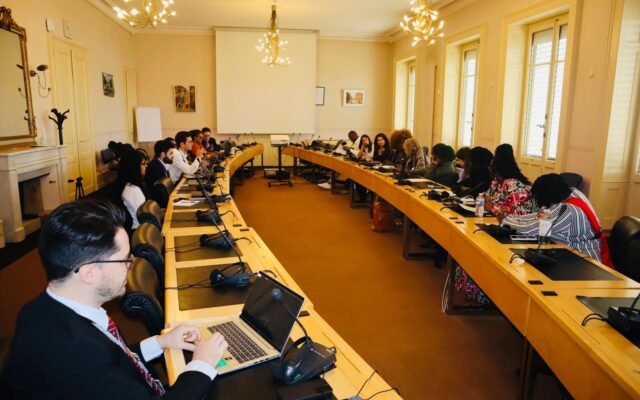
In May 2024, in partnership with MRG (Minority Rights Group), Redes Valentes, Acessibilindígena and Projecto Marias, we presented a briefing at the UN Convention on the Elimination of All Forms of Discrimination Against Women (CEDAW), in Geneva.
What is the UN Convention?
The Convention is the main international human rights instrument for gender equality and for promoting women’s human rights. It was adopted by the UN General Assembly in 1979, but Brazil only ratified it in 1984, with the force of law in the country.
The CEDAW Committee is the body responsible for monitoring how signatory countries implement the Convention, that is, how their obligations are being put into practice. It is made up of 23 experts of high moral standing and recognized competence in the field covered by the Convention, nominated by their governments and elected by the States parties in a personal capacity.
It also prepares general recommendations, which include guidelines to States on how to respect, protect and promote the human rights of women and girls.
Final results
Our participation was important for delivering a briefing on disability, race, gender, care and the results of the intersection of vectors of oppression – such as racism, sexism and ableism, for example –, in the lives of Brazilian girls, young women and women with disabilities.
At the end of the event, after the concluding observations on Brazil’s combined eighth and ninth periodic reports were presented, the results were:
- Three observations and three corresponding recommendations on women with disabilities from Indigenous, Afro-descendant or quilombola communities / intersectional discrimination related to education, employment (care) and disaggregated data collection;
- Two of these three recommendations directly reflect the recommendations in our report (on education and employment/care);
- Six observations and four corresponding recommendations on: “rural women, women living in poverty, women with disabilities, Indigenous women, quilombola women, women of African descent, migrant women, and lesbian, bisexual, transgender and intersex women.”;
- 30 mentions of women with disabilities in 9 sections of the report;
- One recommendation on obstetric services to reduce maternal mortality.

We also had the opportunity to hand the full report to the Minister of the Ministry of Women, Cida Gonçalves, which exposes the vulnerable situation of Black women caregivers, especially those responsible for caring for people with disabilities.
We hope this material will contribute to the development of more inclusive and anti-racist public policies, for broader and more accessible care for everyone.