Black people with disabilities face systemic racism and exclusion in Brazil, according to a report presented to the United Nations.
The report highlights how this group is over-represented among homeless populations, prisons and segregated institutions and faces significant barriers to accessing work, education and good-quality health care. It also found that Black people with disabilities are often socially excluded and at greater risk of violence, with Black women with disabilities the group most likely to suffer violence.
The authors of the report call on the Brazilian government to improve the collection of national data on these issues and to implement policies to correct the human rights violations against Black people and people with disabilities across the country.
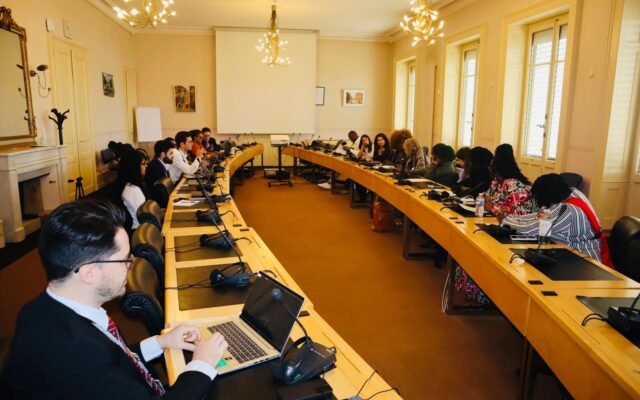
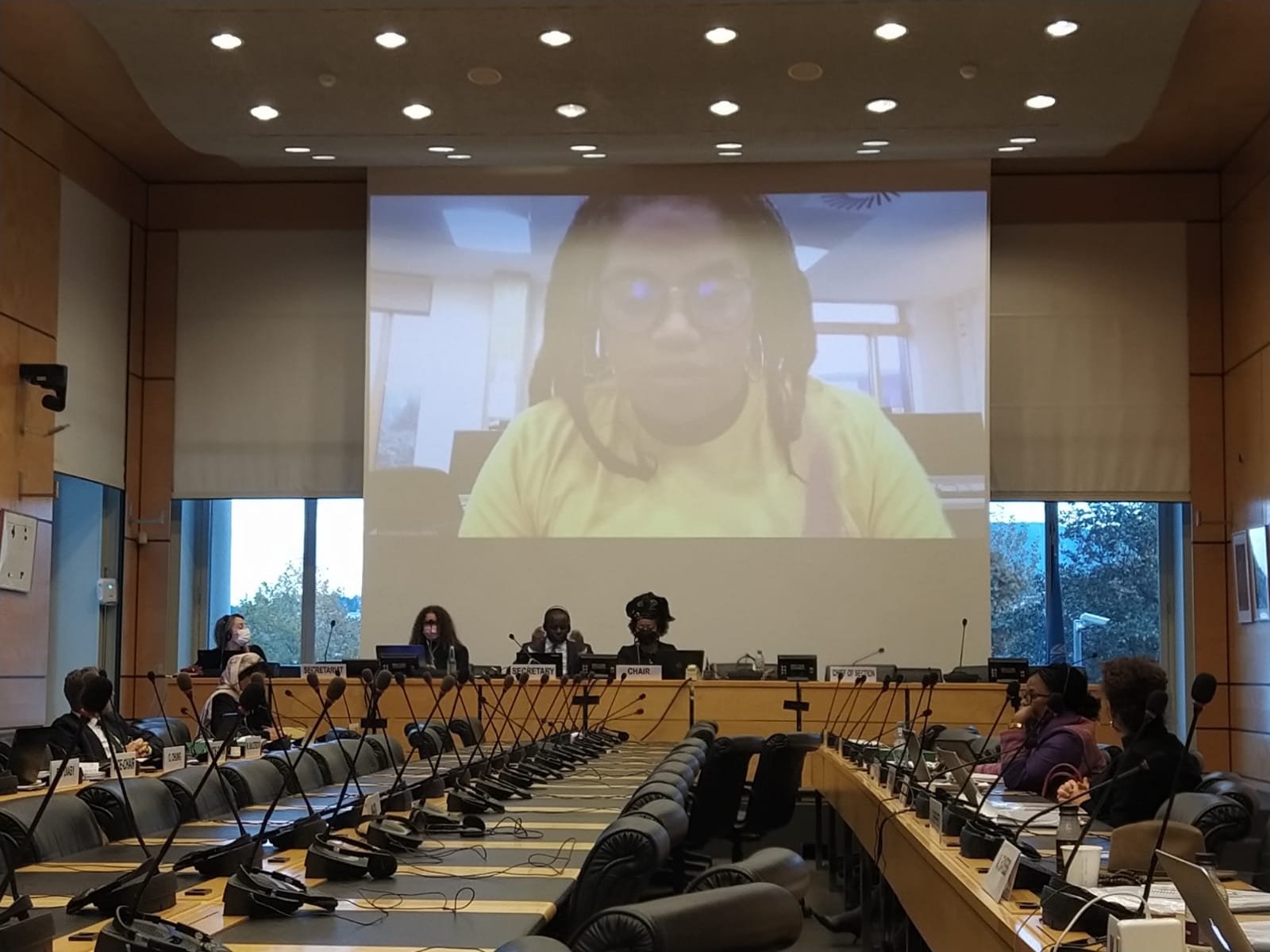
Researchers from the University of York, together with members of Minority Rights Group International and the Vidas Negras com Deficiência Importam (Disabled Black Lives Matter) movement, will present the findings to the Committee on the Elimination of Racial Discrimination in Geneva on November 16 and 17.
Evidence
Co-author Dr. João Nunes, of the University of York’s Department of Politics, said: “A fundamental problem in Brazil is the lack of centralized data on the experiences of Black and other marginalized people with disabilities. We argue that addressing this is a crucial first step for the government, as it will provide an evidence base for policies to tackle the discrimination, exclusion and violence highlighted in our report.
“We call on the Brazilian government to take urgent measures to improve access to education and housing for this community and to remove barriers to the labor market. Programs are also needed to combat violence against people with disabilities and to support caregivers, so that all people with disabilities and their families have the right to a dignified life at home and in their communities, rather than being segregated in institutions”.
Marginalized
Luciana Viegas, director of the Brazilian group Vidas Negras com Deficiência Importam Movement, added: “Our report is a historic review of the situation of Black people with disabilities in Brazil, since we, the Black population with disabilities, have been marginalized throughout history. Understanding the importance of debating and understanding the situation of Black people with disabilities in Brazil is knowing where we are and where we have been socially placed.”
“It is important so that we put an end to deaths or violence like that of Genivaldo de Jesus Santos, who was tortured to death by the Federal Highway Police earlier this year. Stories like this have been a constant in Brazil and make us realize that most of the population that has been a victim of institutional racism and structural ableism is the Black population with disabilities.”
Luciana Viegas
Zika
The report compiles data from NGOs, government databases and national surveys to investigate the extent of the discrimination faced by the Black and disabled community in Brazil.
It highlights how the 2015 Zika epidemic overwhelmingly affected Black women in Brazil, with 77% of babies born with microcephaly to Black or mixed-race mothers.
Dr. Nunes added: “The spread of Zika has been associated with poor sanitation, malnutrition, poor access to contraceptives and precarious living conditions, which are more prevalent among Black communities in Brazil.
“Our report highlights how Zika is an important example of how Black people are disproportionately affected by disability discrimination in Brazil. The children of Zika are now six or seven years old and face significant barriers to accessing good-quality health care and education”.
Slavery
According to the authors of the report, systemic racism and ableism in Brazil are rooted in slavery. Slavery in Brazil lasted 350 years and was finally abolished in 1880. Illegal trafficking of people continued long after that date.
Particularly worrying is the situation of the traditional communities known as quilombolas, descendants of enslaved Africans who escaped captivity and established communities on the margins of slave-owning society. Their specific needs have often been neglected and they have been systematically excluded from policy discussions, the researchers say.
Unique
The report’s co-author, Lauren Avery, a PhD student at the University of York and coordinator of the Disability Project at Minority Rights Group International, said: “Discrimination against people with disabilities from minority and Indigenous groups is a problem in countries around the world and is not unique to Brazil. However, our report seeks to encourage Brazilian policymakers to recognize how issues of racism, disability and poverty intersect, with discrimination disproportionately affecting Black people and other minority groups in the country.
“The history of slavery in Brazil and sociocultural conceptions of disability as misfortune or weakness have more often placed Black people with disabilities in the most vulnerable and violent positions in Brazilian society. Our team’s research on Census data also shows that Black people are significantly more likely to live in areas inaccessible to wheelchairs and with non-existent or inadequate paving, sanitation, lighting and drainage.
“Our report seeks to raise awareness of these issues in Brazilian civil society and to bring the urgent need for action to the International Human Rights Committee and the Brazilian State.”
> Translation of the article “Researchers call for Brazilian government to take action to tackle discrimination against Black people with disabilities“, published on the University of York website on November 15, 2022. Original article at: https://www.york.ac.uk/news-and-events/news/2022/research/discrimination-black-disabled/